
occupational therapy in mill park and north-east melbourne
supporting independence, participation and everyday life
support that fits into everyday life
Occupational therapy in Melbourne’s north-east at Emble Allied Health supports children, teenagers and young adults to build independence, confidence and participation in everyday life.
From our Mill Park and Bundoora clinics, our occupational therapy team supports individuals to develop everyday skills, emotional regulation, sensory processing, routines and participation across home, school and community environments.
Our approach is practical, neuroaffirming and grounded in real-world participation, focusing on meaningful goals and skills that carry into daily life.
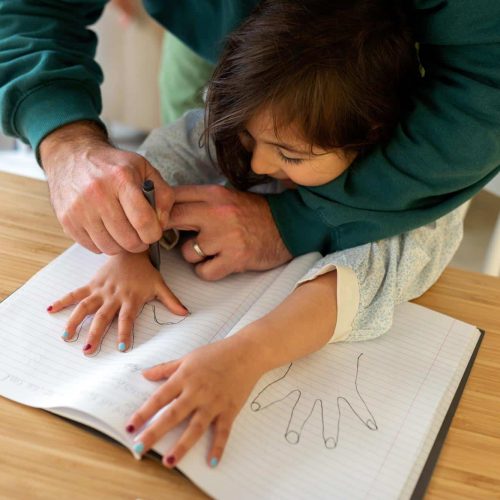
occupational therapy for children, teenagers and young adults
We provide occupational therapy across key stages of development:
- Early Childhood (0–6 years)
- Children (7–12 years)
- Teenagers (13–17 years)
- Young Adults (18–25 years)
Support is always tailored to the individual – not just their age or diagnosis.
We work with families and individuals across Mill Park, Bundoora, Epping, Doreen, South Morang, Mernda and surrounding areas, both in clinic and in everyday environments.
where we deliver support
Flexible options to suit your routine, preferences and everyday life.
in clinic
- Structured sessions in our Mill Park clinic
- Access to specialised resources and equipment
- A consistent, supported environment for focused therapy
in the community
- Support at home, kinder, school or in community settings
- Strategies embedded into everyday routines and environments
- Real-world support where skills are naturally used
telehealth
- Flexible sessions from home or another location
- Access support regardless of location or travel constraints
- Coaching and guidance for individuals, families and support teams
what we help with
Occupational therapy supports independence, participation and everyday functioning.
This may include support with daily living skills, sensory processing, emotional regulation, fine and gross motor skills, executive functioning and participation in everyday life.
daily living skills (independence)
- Personal routines (getting ready, dressing, hygiene, meals)
- Self-care skills and independence
- Household tasks (cleaning, laundry, simple meal preparation)
- Building independence in everyday activities
fine motor skills
- Writing, drawing and school-based tasks
- Using utensils, fastenings and tools
- Hand strength and coordination
gross motor skills
- Balance, coordination and movement skills
- Participation in play, school and everyday activities
- Building confidence in movement
sensory processing & regulation
- Understanding sensory preferences and needs
- Supporting emotional regulation
- Creating environments that support participation
executive functioning
- Planning, organisation and task initiation
- Time management and routines
- Managing daily demands and transitions
participation in everyday life
- School readiness and participation
- Engagement in play and learning
- Community access and confidence in new environments
support doesn't always sit within one area
Many people benefit from support across more than one discipline.
Our team works collaboratively to ensure support is connected and aligned.
who we support
We support individuals with a wide range of functional, developmental and participation needs, including:
- Difficulty with daily routines or independence
- Neurodivergence (e.g. autism, ADHD)
- Sensory sensitivities or regulation differences
- Challenges with organisation, planning or completing tasks
- Reliance on others for everyday activities
- Transitioning into adulthood and navigating new expectations
- Wanting to participate more confidently in everyday life
We also support individuals who may not have a diagnosis but would benefit from support to participate more fully in everyday life.

how we work
Occupational therapy at Emble goes beyond isolated skill-building.
Support is designed to be practical, flexible and embedded into everyday life.
We work in partnership with families, educators, support workers and other professionals to ensure communication support is consistent across environments.
As part of a multidisciplinary team, support is coordinated – not fragmented.
individualised occupational therapy
- Assessment and therapy tailored to functional goals
- Focused on participation, independence and routines
- Adapted to suit age, environment and individual needs
daily life and routine support
- Building independence in everyday tasks
- Breaking down activities into achievable steps
- Supporting consistency across environments
sensory and environmental support
- Identifying sensory needs and preferences
- Modifying environments to support regulation and participation
- Creating systems that support independence
supporting independence across life transitions
As children move into teenage years and young adulthood, expectations and environments change.
We support young people to:
- Build independence in daily living skills
- Establish routines and structure
- Navigate transitions into work, study or community settings
- Develop skills for managing everyday responsibilities
- Increase confidence in unfamiliar environments
Support is practical, structured and aligned with each person’s goals.
occupational therapy assessments
Occupational therapy assessments help us understand how a person participates in everyday activities.
This may include:
- Fine motor and functional skills assessment
- Gross motor assessment
- Visual motor integration assessment
- Sensory processing assessment
- Daily living and independence assessment
- Executive functioning and participation assessment
Where required, we also contribute to:
- Functional Capacity Assessments (NDIS)
- Reports to support planning, funding and goal setting